
Indoor Rowing Tips
Stroke rate is not speed
More strokes per minute doesn't mean more metres. Power per stroke and a patient recovery win.

One of the most common mistakes on the rower is believing that moving faster back and forth on the slide makes the numbers on the screen better. It’s a logical thought: more movement, more speed. But stroke rate (how many times you pull per minute) is not the same as speed.
The best-kept secret of efficient rowing is learning to go faster while moving slower.
Work and rest
A stroke has two parts: the drive (the work) and the recovery (the slide back to the start). Most people rush the recovery: finish the stroke and immediately zip back to the front.
Efficiency comes from a controlled ratio: a powerful, explosive drive, then a recovery that’s noticeably longer than the drive. That gives your muscles a moment to reset and lets the flywheel keep spinning. Rush the recovery and you actually check the machine’s momentum, making the next stroke harder than it needs to be.
Power per stroke
Speed on the erg comes from how much force you put into the handle, not how often you pull it. A strong, connected stroke at a calm rate moves more than a soft, hurried one at a high rate. The calm rower gets more from each stroke, driving with the big leg muscles, then taking a real breath on the recovery. The frantic rower is usually just out of breath and leaning on smaller muscles to keep up.
Find your cruise control
For most of your training, aim for a rate that feels like cruise control: steady enough that you can focus on the connection between your feet and the machine, making every centimetre of the stroke count. For most steady work, that’s somewhere around 18 to 24 strokes per minute.
Elite rowing knowledge is really about mastering this efficiency, turning the erg from a frantic struggle into a structured, powerful session.
Get more from every stroke with the structured sessions in the Row Nation app.

Keep reading
More insights
27 July 2026
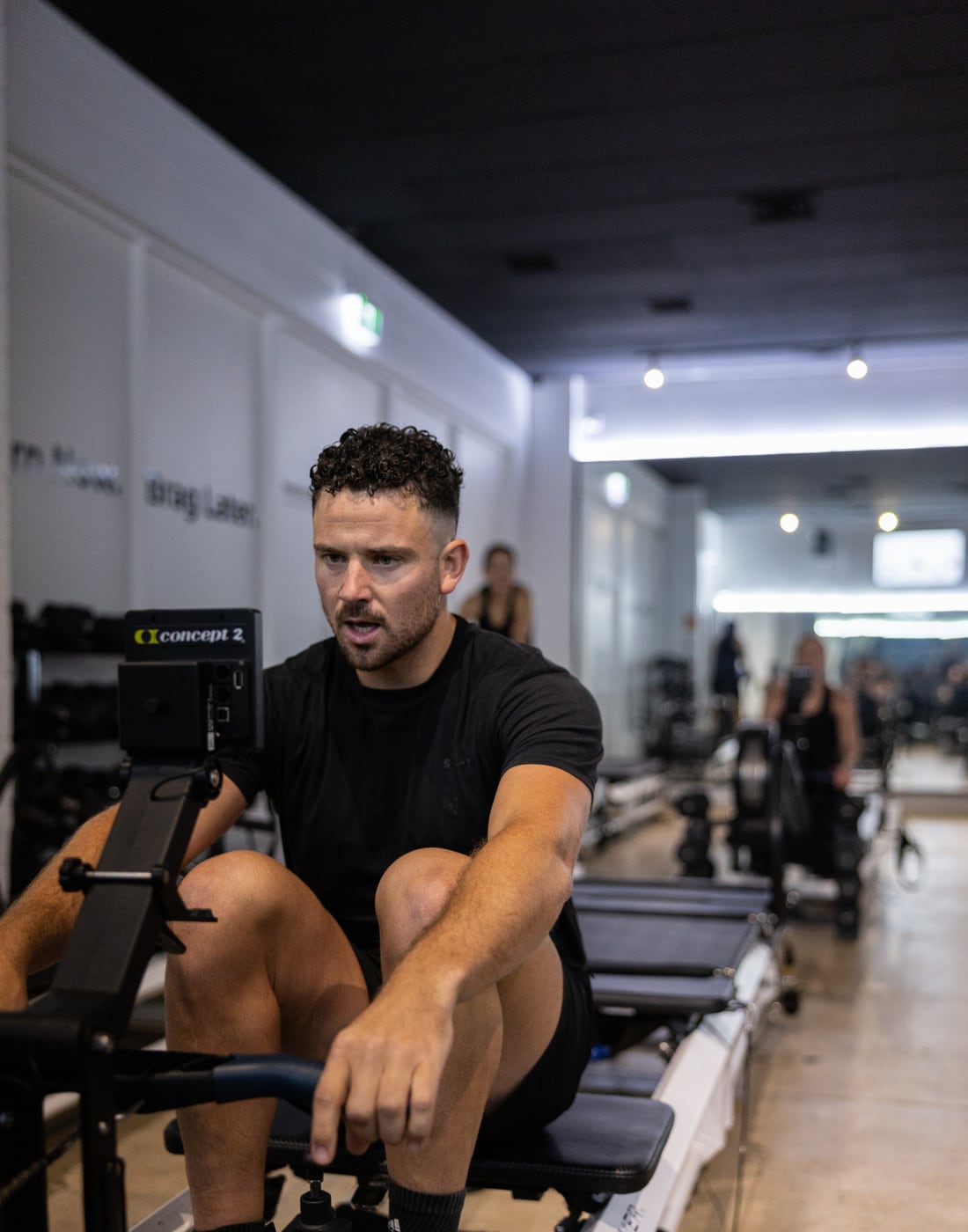
Dance class. Olympic podium. Your gym floor.
Jack Cleary's rowing story started with a knee injury that ended his dancing career at thirteen. The RowErg gave him back control and freedom long before it gave him an Olympic podium. That's why he's on the gym floor for Row Nation's Foundations workshops now.
24 July 2026
2026 NSW Indoor Rowing Series
Round 1 of the 2026 NSW Indoor Rowing Series runs 27 to 31 July. Race on your own erg or at a Row Club hub, log it through the Row Nation app, and see your name on the state leaderboard.
21 July 2026
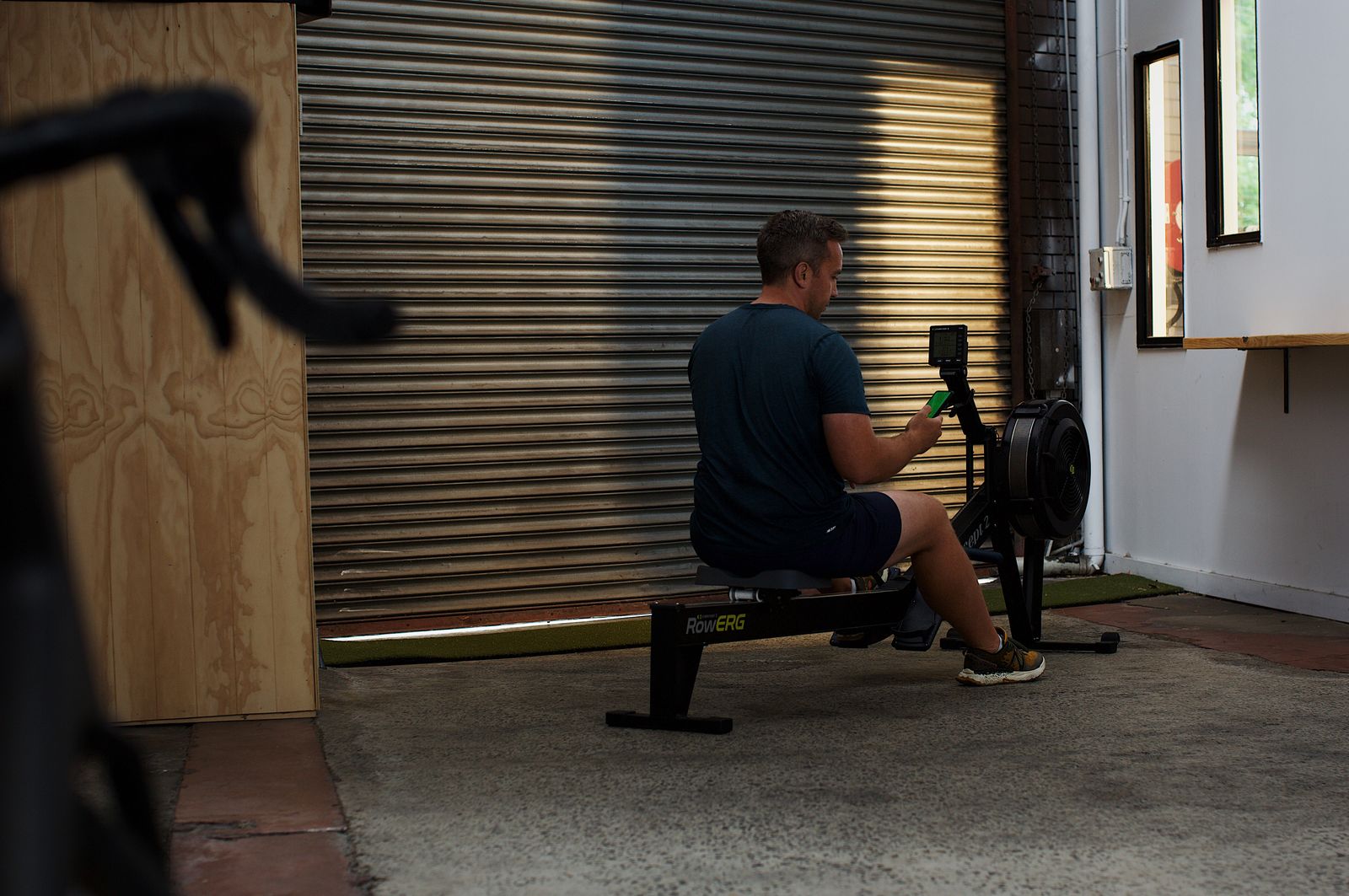
Winter is base season
Steady winter rowing builds the aerobic engine everything else runs on, and a proper base block takes exactly as long as there is until spring.